mon-fri ⏲ 07:30-17:00 ✆ 02380 011 761 ✉ email 🗎 info pack

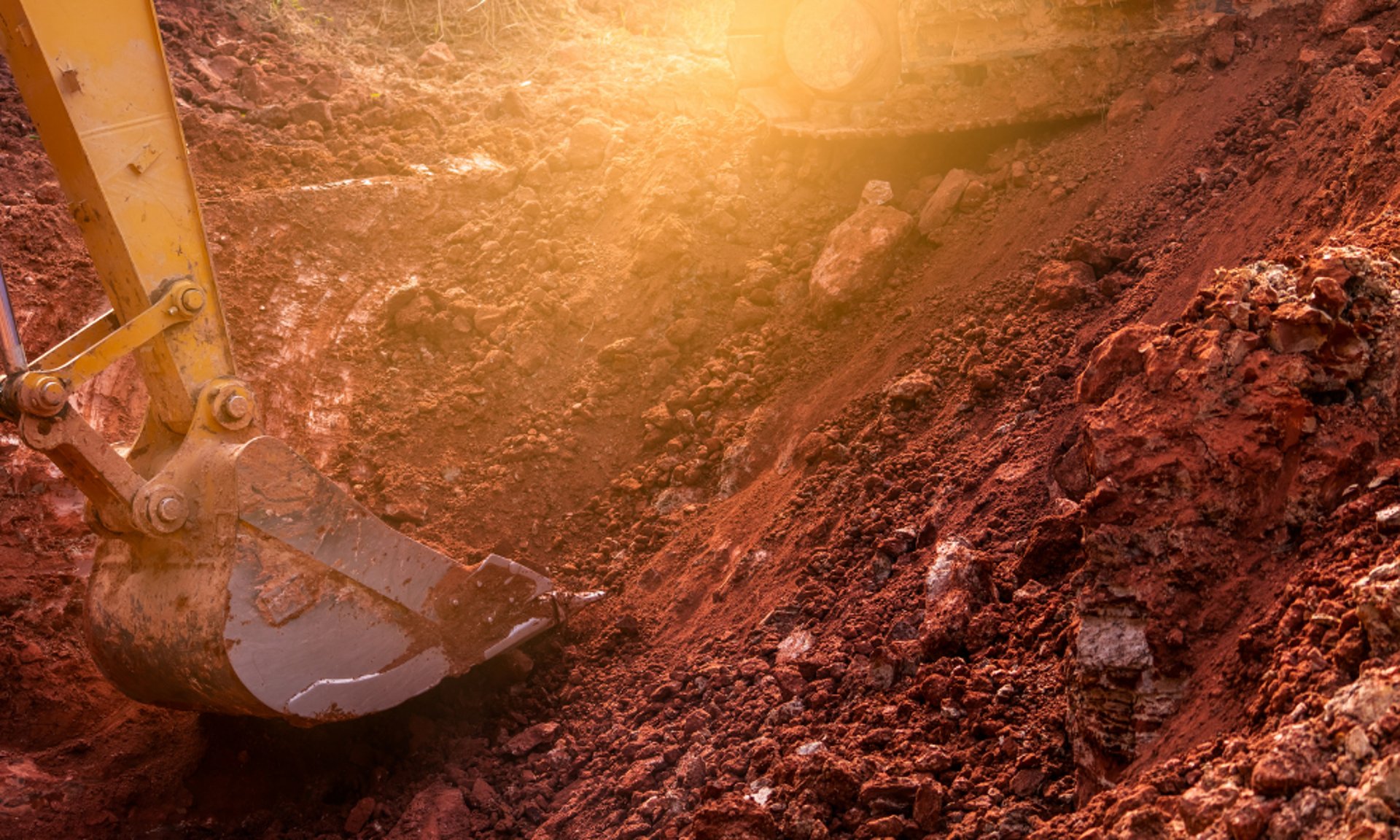
Transforming Industrial Sites: Land Remediation & Plant Hire for Sustainable Redevelopment
Unlock the full potential of industrial and brownfield sites with expert demolition, land remediation and plant hire services in the UK. Learn how to deliver sustainable redevelopment through material reuse, efficient site clearance, and compliant contaminant removal — and how the right equipment and partner make all the difference.
10/23/20255 min read
Transforming Industrial Sites: Land Remediation & Plant Hire for Sustainable Redevelopment
Industrial and brownfield sites represent some of the strongest redevelopment opportunities around UK — whether it’s converting a disused factory, a former warehouse estate or decommissioned depot into new-use commercial, mixed-use or residential space. But these projects often require more than just demolition. They require a holistic approach: site clearance, remediation of contamination, and the right plant and equipment to execute efficiently. For owners and developers, understanding the full lifecycle of site preparation is key to maximizing value, minimising risk and delivering a sustainable outcome.
In this post we’ll explore how demolition, land remediation and plant hire inter-link to enable sustainable industrial site transformation — and what you, as a property owner, should know when engaging a specialist partner like H.E.S.
Why this matters: the three-stage anatomy of transformation
Demolition & site clearance – The initial step: safely dismantling structures, removing hazardous materials (like asbestos, lead, old plant), clearing the physical footprint for redevelopment.
Land remediation & enabling works – Once the site is cleared, it often remains “contaminated” or otherwise unsuitable for new use: soil contamination, hydrocarbons, heavy metals, old foundations, earthworks issues. Remediation brings the land up to a condition suitable for redevelopment.
Plant hire & equipment logistics – To deliver the above efficiently you need access to appropriate plant (excavators, 30-tonne+ machines, crushers, screeners etc), logistics of moving and deploying them, and managing the waste/reuse flows. For example, plant hire is key in many remedial and demolition packages.
By aligning these three phases under a coordinated strategy, you reduce delays, control costs, avoid surprises and also embed sustainability (through reuse of materials, recycling, efficient logistics, reduced off-site waste).
Focus on sustainability: What good looks like
Material reuse and recycling: Instead of simply exporting waste off-site, best-practice remediation and demolition contractors screen, crush, sort and reuse inert material on-site where feasible. This saves haulage cost, reduces carbon footprint and supports circular economy outcomes.
Minimising transport and waste: On-site treatment of soil, mobile treatment units or stabilisation reduce the need to transport contaminated soil long distances.
Restoring land value: Remediated brownfield sites prevent encroachment into greenfield land, thereby preserving open space and delivering sustainable urban/regional development.
Regulatory & environmental compliance: Using licensed contractors, following guidance such as the Environmental Permitting Regulations, utilising validated remediation methods ensures the site is safe, future-proofed and audit-ready.
Plant efficiency & fleet optimisation: Using modern, properly-serviced plant means fewer breakdowns, more efficient site operations and lower emissions — all contributing to a leaner project delivery.
What commercial property / industrial site owners need to consider
1. Pre-planning and due diligence
Map the site’s history: Identify previous industrial uses, potential contaminants (e.g., hydrocarbon spills, heavy metals, asbestos in soil) — many brownfield sites may hide legacy issues.
Define end-use early: The nature of remediation depends on whether you’re converting for industrial, logistics, mixed-use or residential.
Secure plant-hire strategy: From the outset, assess what size and type of equipment you’ll need (for example a 30-tonne excavator or larger units for bulk earthworks or structure removal) and engage trusted hire partners.
Understand regulatory interface: Remediation and demolition are subject to regulation (Environment Agency, local authority, permitting). Make sure your project partner has the right accreditations.
2. Choosing the right demolition + remediation partner
Look for integrated capability: Ideally your contractor (or partner) has demolition, site clearance, remediation and plant-hire under one roof—this reduces subcontracting risk and improves coordination.
Ask about sustainability credentials: What percentage of material reuse? On-site screening capability? Mobile treatment of soil?
Confirm plant fleet and logistics: Does the contractor have access to the required excavators, crushers, screeners, dump trucks — and know how to deploy them efficiently across the UK site environment?
Ask about health & safety and environmental performance: Remediation sites often present risks (contaminants, unstable structures, buried hazards). Make sure your partner has strong track-record and documentation.
3. Managing the remediation lifecycle
Site clearance first: Remove structures, clear plant, deal with known hazardous materials (e.g., asbestos removal in buildings or soils) so the site is physically ready.
Detailed remediation: Depending on contamination level you may need soil treatment (screening, washing, stabilisation), groundwater treatment, bulk earthworks or encapsulation. For example: “soil screening and segregation”, “cut and fill” and “back-filling” feature in remediation packages.
Plant deployment: Use appropriate equipment to excavate, process material, move and load waste or reuse materials. For example a large excavator paired with on-site crusher and screening plant.
Material reuse & waste management: Separate inert material for reuse on-site (e.g., crushed concrete for re-fill), manage contaminated material appropriately via licensed carriers/disposal.
Validation and hand-over: Once remediation is complete you should obtain validation reports, soil testing results, confirmation that the site meets its redevelopment criteria.
4. Post-remediation wrap-up and onward use
Ensure infrastructure is ready: roads, drainage, services etc often follow land remediation and enabling works.
Monitor residual risk: Some remediated sites may carry accelerated monitoring or maintenance obligations (e.g., monitoring groundwater, gas mitigation).
Communicate sustainability outcomes: If you are marketing the site (to a tenant, buyer or investor), being able to say “brownfield site remediated, > X % materials reused, licensed plant hire etc” adds value and supports ESG credentials.
How H.E.S adds value in the UK market
At H.E.S, we understand that industrial site transformation requires more than one service in isolation. Our offering ties together:
Full demolition and site clearance (including hazardous material removal)
Land remediation and enabling works (from excavation and soil treatment to bulk earthworks)
Plant hire and fleet deployment across the UK (ensuring the right machines arrive at the right time)
A sustainability-first mindset: We focus on material reuse, reduction of waste, optimised transport logistics, and transparent reporting.
Compliance and safety: All works are delivered with full regard to regulatory frameworks and client audit requirements, providing peace of mind.
Whether you’re converting a large decommissioned industrial estate, a former manufacturing site or a brownfield logistics park, our end-to-end capability means you can manage your project cost-effectively and sustainably.
The business case: why invest in remediation + plant hire early
Reduced unforeseen cost: Early engagement of proper plant and remediation specialists avoids cost overruns midway when hidden contamination or plant shortfall emerges.
Faster site-ready status: A coordinated demolition + remediation + plant hire strategy makes your site “shovel-ready” more quickly, reducing holding cost and accelerating return.
Enhanced marketability: A remediated, clean site with good infrastructure and sustainability credentials attracts better tenants or buyers.
Regulatory endgame: Meeting planning obligations, discharging conditions (contamination, land reuse) and health & safety requirements avoids later delays or enforcement.
Environmental benefit: Useful from ESG and investor perspective — reuse of industrial land, reduction in landfill, lower carbon footprint, protection of adjacent ecosystems.
Final thoughts
Industrial sites that appear challenging — due to contamination, old structures, or legacy plant — can in fact be some of the most rewarding redevelopment opportunities. The key is treating them not as a simple “tear-down and build” job, but as a full transformation project: demolition + remediation + plant hire, executed with sustainability, compliance and operational efficiency in view.
For commercial property owners and developers in the UK looking to unlock value from industrial or brownfield sites, bringing in a partner who covers all three phases means fewer hand-offs, better cost control, improved sustainability outcomes and ultimately an asset that’s ready for its next chapter.
If you'd like to discuss how H.E.S can assist with your site – whether you are at the pre-planning stage, preparing for enabling works or ready for plant hire deployment – we’d be pleased to help.
H.E.S Can Help
If you’re planning a project and have any demolition, asbestos surveying, or asbestos removal requirements, H.E.S can help.
Don’t hesitate to contact our award-winning team on 02380 011761 or email enquiries@hesgroup.org.uk. Your safety is our priority.


Get in touch
Get in touch today to discuss your requirements and discover how we can support your project.

Trusted Expertise.
Complete Compliance.
Proven Results.
Registered Office
Subscribe to our newsletter
Unit 1, Withy Park,
Withy Meadows,
Dutton Lane,
Eastleigh
SO50 6AB
Hampshire Environmental Services Ltd. Registered in England (05894514) © 2025. All rights reserved.


Socials
Legal
✆ 02380 011 761
Sign up for the latest news and updates from H.E.S